Write a material brief before buying timber
A small decorative project becomes easier to discuss when use, dimensions and appearance are separate decisions.
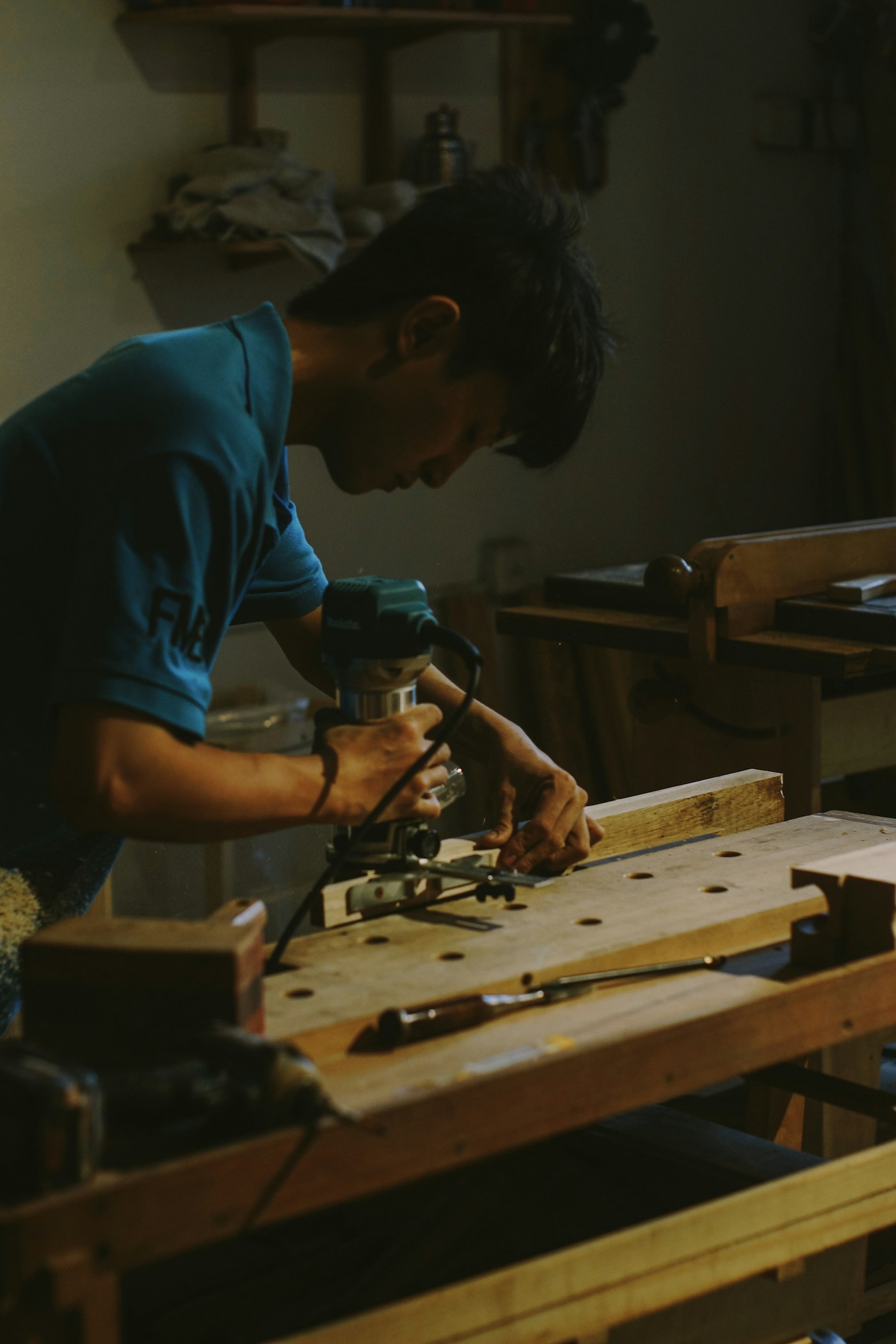
Choosing wood is difficult when the request is simply for something good. Good for a painted box may not mean the same thing as good for a visible edge or a removable display panel. A short material brief gives a supplier or instructor enough context to answer the question you actually have.
Describe the object and its limits
Begin with what the piece will do, where it will be used and what it will not support. For a first planning exercise, choose a small, nonstructural object rather than a chair, building component or load-bearing shelf. Note whether it will remain indoors and whether the design already specifies solid timber or a particular panel product.
Keep the original plan beside the brief. Record its revision or source and list any materials it specifically requires. If you want to substitute something, make that a question. Similar-looking products should not be assumed interchangeable merely because their nominal thicknesses match.
Separate finished sizes from purchasing sizes
Make a list of the parts in their final intended dimensions, using the units shown on the plan. Label those dimensions as finished sizes. Ask the supplier what prepared sizes are actually available and whether the proposed material allows for the preparation required by the design.
Do not add arbitrary allowances and present the result as a cutting instruction. The appropriate allowance depends on the material, its condition and the intended preparation. A beginner's useful contribution is a clear list of the required pieces and a clear distinction between known dimensions and unanswered questions.
State the appearance in ordinary language
Identify which faces and edges will be visible. Explain whether the object will be painted, left visibly wooden or matched with an existing piece. A reference image can help, but note that lighting, finish and photography affect its appearance. Ask to see the actual material where practical.
Write down which features you welcome and which would interfere with the design. A prominent knot might be part of a decorative face yet unsuitable at a particular joint. Let the plan and informed material guidance determine suitability, rather than treating every natural feature as either a defect or a design advantage.
Leave a place for the answer
End the brief with three questions: which product fits the intended use, what dimensions should be purchased, and what storage or conditioning guidance applies before preparation? Record who supplied the information and the product description on the receipt.
The brief is not a substitute for design expertise. It is a way to make that expertise easier to use. By separating function, size and appearance, you can compare answers meaningfully and avoid buying a beautiful piece that has no sensible role in the project.